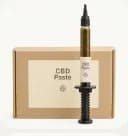
NatureCBD
30% CBD Paste
1500mg5g
RAW full spectrum
Free delivery over 50€

RAW is an extract that was never heated. The cannabinoids therefore stay in their acidic form — CBDA and CBGA, exactly as they occur in the plant. The taste is heavier, and the composition in the lab report looks different from ordinary full spectrum.
NatureCBD
RAW full spectrum
NatureCBD
RAW full spectrum

NatureCBD
RAW full spectrum

NatureCBD
RAW full spectrum
An ordinary extract is decarboxylated — heated so that the acidic forms CBDA and CBGA turn into CBD and CBG. RAW skips that step. So a RAW batch report shows CBDA and CBGA lines with values, and the CBD line is lower than the label alone would suggest.
If the label says “total cannabinoids”, that figure adds the acidic and neutral forms together. Compare RAW with RAW, not with ordinary oil: the same wording covers a different composition. The one honest reference is, again, the batch report.
RAW pastes and oils are darker and taste heavier and grassier — they keep waxes and plant material that further processing removes. That is a difference in form, not in quality.
The acidic form of cannabidiol — how it exists in the living plant. Heating turns CBDA into CBD. RAW extracts skip that step, so CBDA remains.
They do not compare directly. In RAW part of the content is acidic, so the CBD line in the report is lower. Compare total cannabinoids and price per milligram, and compare RAW with RAW.
Because the extract keeps waxes and plant material that additional processing removes. The taste is grassy and stronger.
RAW describes the processing, full spectrum describes the composition. Most RAW products are also full spectrum, but the check is in the batch report.